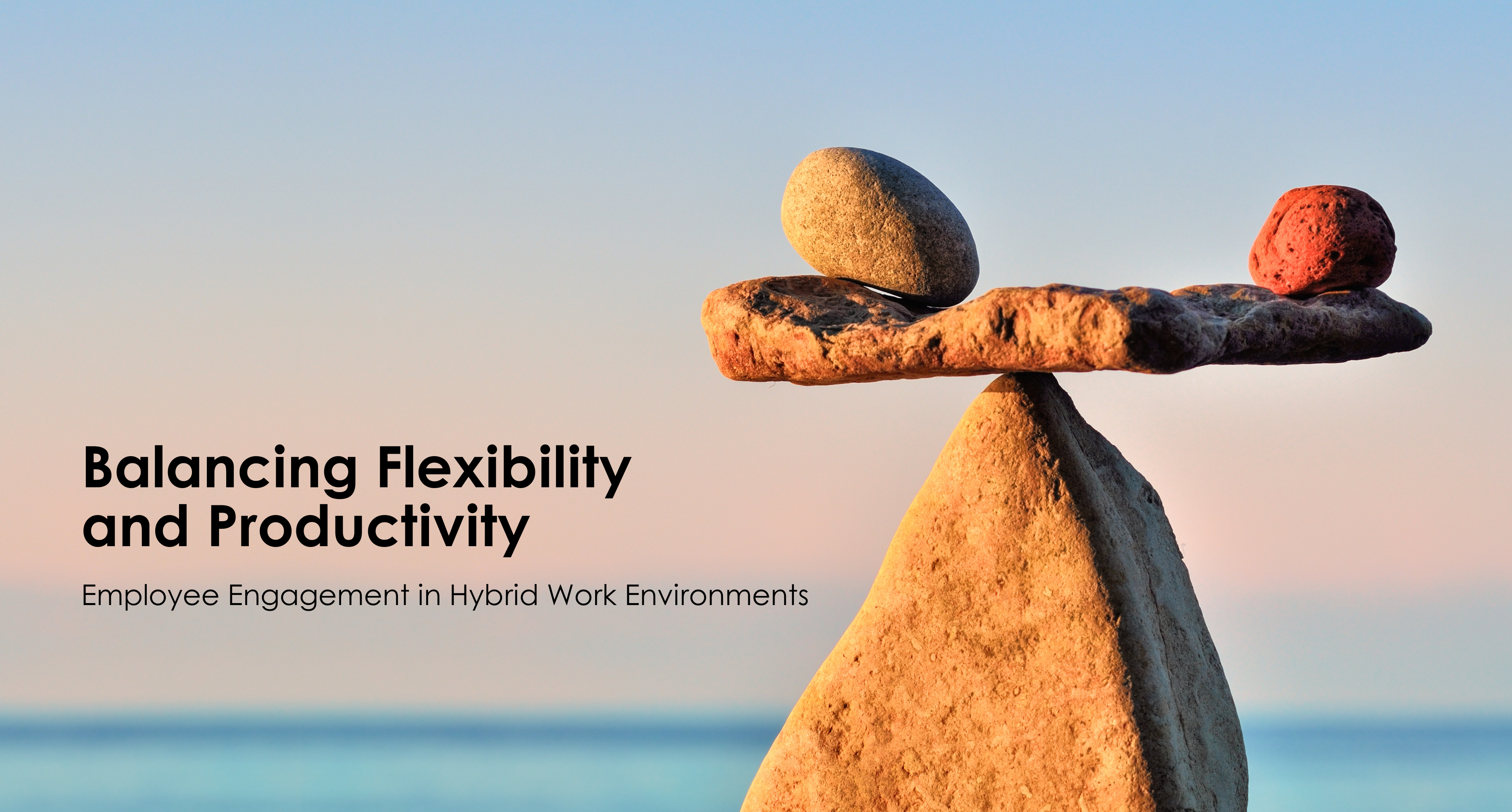
Employee Engagement in Hybrid Work Environments: Balancing Flexibility and Productivity
Remember when “going to work” meant racing your alarm clock, battling traffic, and spilling coffee before the day even began? That still happens—but it’s no longer the full picture.
Today, hybrid work is the new normal: part office, part home, and a constant balancing act. Flexibility is a huge win, but it comes with a challenge—how do you keep employees truly engaged when some are in the office and others are working remotely?
That’s the big question leaders are trying to answer right now. Let’s break down what really matters in a hybrid work world.
Hybrid Work: The Good, the Bad, and the Balancing Act
Hybrid work isn’t just a trend—it’s a response to what employees want: flexibility, autonomy, and better work-life balance.
Employees enjoy fewer commutes and more control over their schedules. Companies benefit when productivity stays high and burnout stays low. The challenge is creating a system where both sides win.
Research shows flexible work reduces burnout and improves job satisfaction. But without effort, hybrid teams can drift—communication weakens, collaboration slows, and culture starts to fade.
The goal isn’t forcing everyone back into the office or letting chaos reign from home. It’s building a culture where flexibility actually drives productivity.
The Engagement Equation: What Really Matters
1. Connection: Making Hybrid Work Feel Human
Engagement starts with connection. People want to feel seen, heard, and valued.
In hybrid environments, casual hallway conversations disappear—so connection has to be intentional.
What helps:
- Create rituals: Weekly check-ins, virtual coffee chats, or hybrid team catch-ups
- Celebrate wins: Use tools like Slack or Teams to highlight achievements
- Run inclusive meetings: Invest in good audio, video, and facilitation so remote voices matter
Bottom line: Connection isn’t about location—it’s about effort.
2. Autonomy: Freedom Without the Chaos
Flexibility is one of hybrid work’s biggest benefits—but too much freedom without structure can lead to confusion.
The key is balance.
- Focus on outcomes, not hours: Measure results, not online status
- Support different work styles: Early birds, night owls—results matter most
- Trust your people: When employees feel trusted, they perform better
A “trust, not tracking” approach builds ownership and motivation.
3. Culture: Keeping the Company Spirit Alive
Culture is what holds a hybrid team together. It’s no longer about office perks—it’s about shared values and meaningful interactions.
How to sustain culture:
- Recognize achievements publicly: Shout-outs boost morale
- Create shared experiences: Hybrid retreats, virtual games, leadership Q&As
- Listen actively: Run pulse surveys and act on feedback quickly
Hybrid work can actually strengthen culture—every interaction carries more weight.
The Leader’s Role: Beyond Management
In a hybrid environment, leaders don’t just manage work—they design experiences.
Effective hybrid leadership looks like this:
- Set the tone: Be flexible, visible, and reliable
- Communicate often: Over-communication is better than silence
- Prioritize well-being: Encourage boundaries, breaks, and mental health days
Modern leadership is built on empathy, trust, and connection—not control.
Measuring Success: Checking the Pulse
You can’t improve engagement if you don’t measure it.
Key indicators to watch:
- Employee engagement surveys
- Participation in meetings and team events
- Performance and innovation levels
- Retention and turnover rates
If engagement dips, treat it as a signal—not a failure. Adjust and move forward.
The Future of Work: Flexibility Wins
Hybrid work isn’t a compromise—it’s an opportunity.
It opens doors to global talent, supports well-being, and reshapes how we think about the workplace.
The strongest organizations treat flexibility as a competitive advantage, not a perk.
Engaged employees don’t just show up.
They bring energy, ideas, and purpose—whether they’re in the office or working from home.
That’s the real win in the hybrid world.
FAQs
How do companies keep employees engaged in a hybrid setup?
By communicating intentionally, recognizing achievements, and ensuring both remote and in-office employees feel equally included.
What’s the biggest challenge of hybrid work?
Communication gaps and cultural drift. Clear structure, frequent check-ins, and inclusive practices help overcome this.
How do leaders keep hybrid teams motivated?
By setting clear goals, offering flexibility, giving useful feedback, and supporting employee well-being.
Does hybrid work improve productivity?
Yes—when expectations are clear. Flexibility combined with accountability often boosts productivity.
What tools help hybrid teams stay engaged?
Communication tools like Slack or Teams, project platforms like Asana or Trello, and virtual team-building tools keep everyone aligned.


Leave a comment: