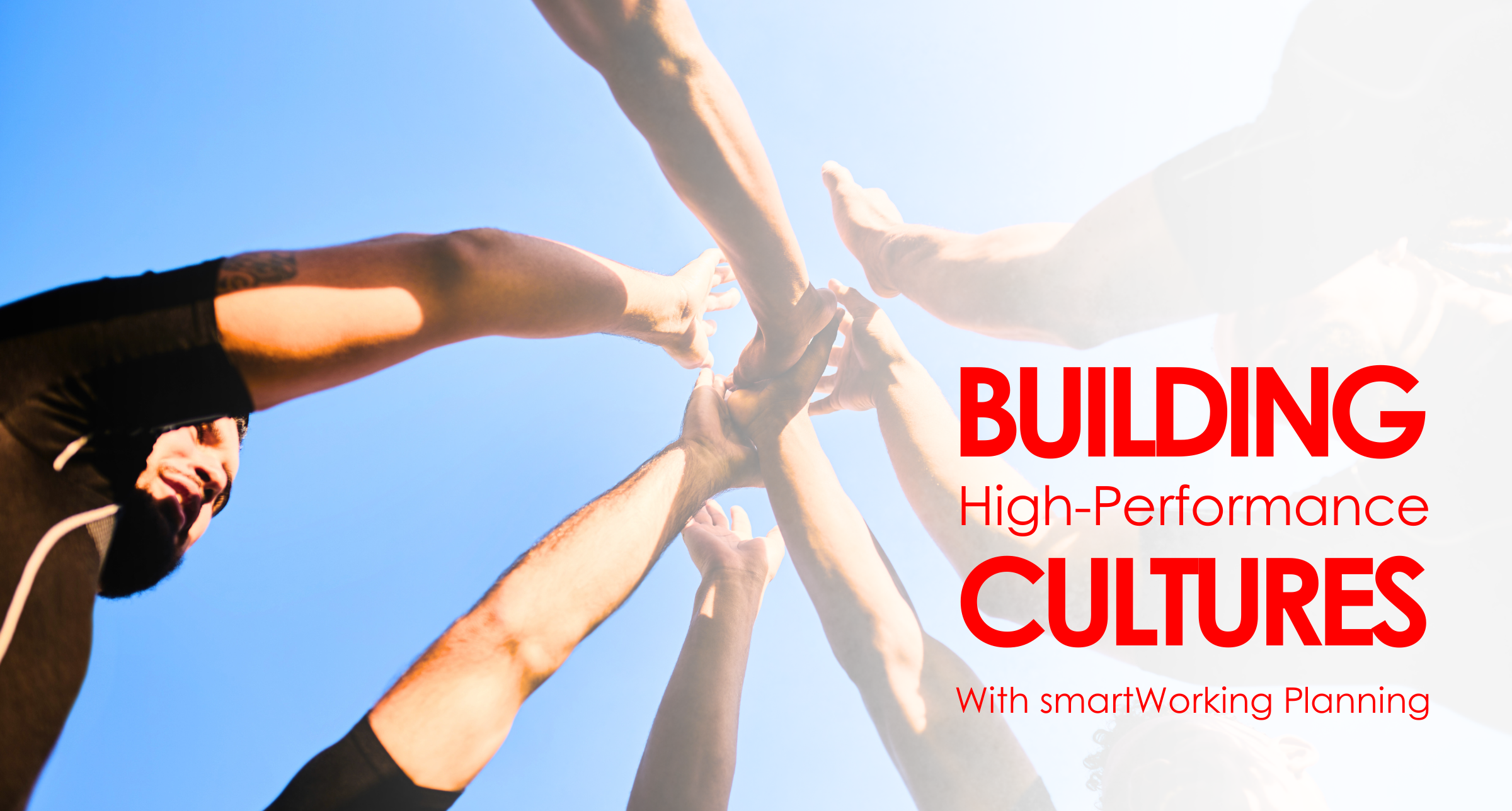
Building High-Performance Cultures With Smart Workforce Planning
You can feel it the moment you walk into a high-performing company. There’s clarity, energy, and people who genuinely care about their work. That kind of culture doesn’t happen by accident.
It’s built—step by step—through strategic workforce planning. A thoughtful approach that aligns talent, purpose, and opportunity so everyone is moving in the same direction.
In a fast-changing business world where skills evolve quickly and competition for talent is intense, the companies that win aren’t reacting. They’re planning ahead.
Culture and Workforce Strategy Go Hand in Hand
Culture isn’t about slogans on the wall or office perks. It’s shaped by everyday decisions—who you hire, how you lead, and what behaviors you reward.
Strategic workforce planning ensures you have the right people, with the right skills, in the right roles—at the right time.
When done well, people feel connected, motivated, and confident about where they’re headed.
Deloitte highlights a key shift: organizations must focus on human performance, not just productivity metrics—balancing business outcomes with human value.
Step 1: Start With Purpose and Work Backwards
You can’t build a high-performance culture without clarity.
Ask the big questions:
- Where is the organization heading?
- What capabilities will we need in 3–5 years?
- Which skills and mindsets will matter most?
When leaders are clear on direction, workforce planning becomes proactive—not reactive.
Step 2: Focus on Skills, Not Just Job Titles
Job titles change. Skills endure.
By 2030, nearly 40% of today’s skills may look completely different. That means adaptability and continuous learning are critical.
Smart workforce planning builds skills pipelines rather than simply filling roles. This creates flexibility and resilience.
Step 3: Build Talent Pipelines—Don’t Just Plug Gaps
High-performing organizations don’t wait for resignations to plan their next move.
They focus on:
- Succession planning for key roles
- Internal mobility and career growth
- Continuous upskilling and reskilling
- Strategic partnerships for hiring and training
This ensures continuity and readiness when change happens.
Step 4: Let Data Drive Workforce Decisions
Strong cultures are built on insight—not intuition alone.
Workforce analytics helps leaders:
- Identify skill gaps
- Track performance and potential
- Monitor engagement and retention
- Support diversity and inclusion
Modern HR platforms allow organizations to move beyond headcount and focus on outcomes, wellbeing, and future readiness.
Step 5: Treat Culture as a Core Business Strength
Culture isn’t a side initiative—it’s a competitive advantage.
To build a high-performance culture:
- Communicate vision and values openly
- Create psychological safety
- Celebrate progress and effort
- Embed learning into daily work
Organizations that prioritize wellbeing, inclusion, and growth are far more likely to achieve sustainable success.
Step 6: Invest in Leaders Who Elevate Others
Great leaders retain great people.
High-performance cultures rely on leaders who:
- Empower rather than micromanage
- Build trust and ownership
- Encourage experimentation and learning
- Care about wellbeing alongside results
Leadership development isn’t optional—it’s essential.
Step 7: Make Work Meaningful
Top performers want purpose, not just paychecks.
They need to understand their impact and see how their work connects to the bigger picture.
When roles are aligned with mission and values, employees feel ownership—and loyalty follows.
Step 8: Drive Results Without Sacrificing Wellbeing
Ambitious goals shouldn’t come at the cost of burnout.
Smart workforce planning considers:
- Workload balance
- Flexible and hybrid work models
- Wellness and mental health support
- Sustainable performance expectations
Wellbeing isn’t a perk—it’s a performance strategy.
The Real Payoff: Sustainable High Performance
Workforce planning isn’t about filling roles. It’s about building teams that trust each other, adapt to change, and grow together.
The outcome:
- Purpose-driven teams
- Agile, future-ready talent
- A culture that attracts and retains top performers
- Leaders who mentor and develop others
- Employees who feel ownership and pride
That’s the real advantage of a high-performance culture—shared, sustainable growth.
FAQs
What is strategic workforce planning?
It’s a forward-looking approach that aligns talent, skills, and roles with long-term business goals.
How does workforce planning improve culture?
It creates clarity, supports growth, and ensures people feel valued and aligned with the organization’s purpose.
Is workforce planning only for large companies?
No. Small and mid-sized businesses benefit greatly by planning skills, leadership, and culture early.
Why is data important in workforce planning?
Data reveals skill gaps, predicts turnover, supports diversity, and enables smarter decisions.
What role do leaders play in high-performance cultures?
Leaders set the tone. By empowering, mentoring, and caring for wellbeing, they create environments where people thrive.


Leave a comment: