

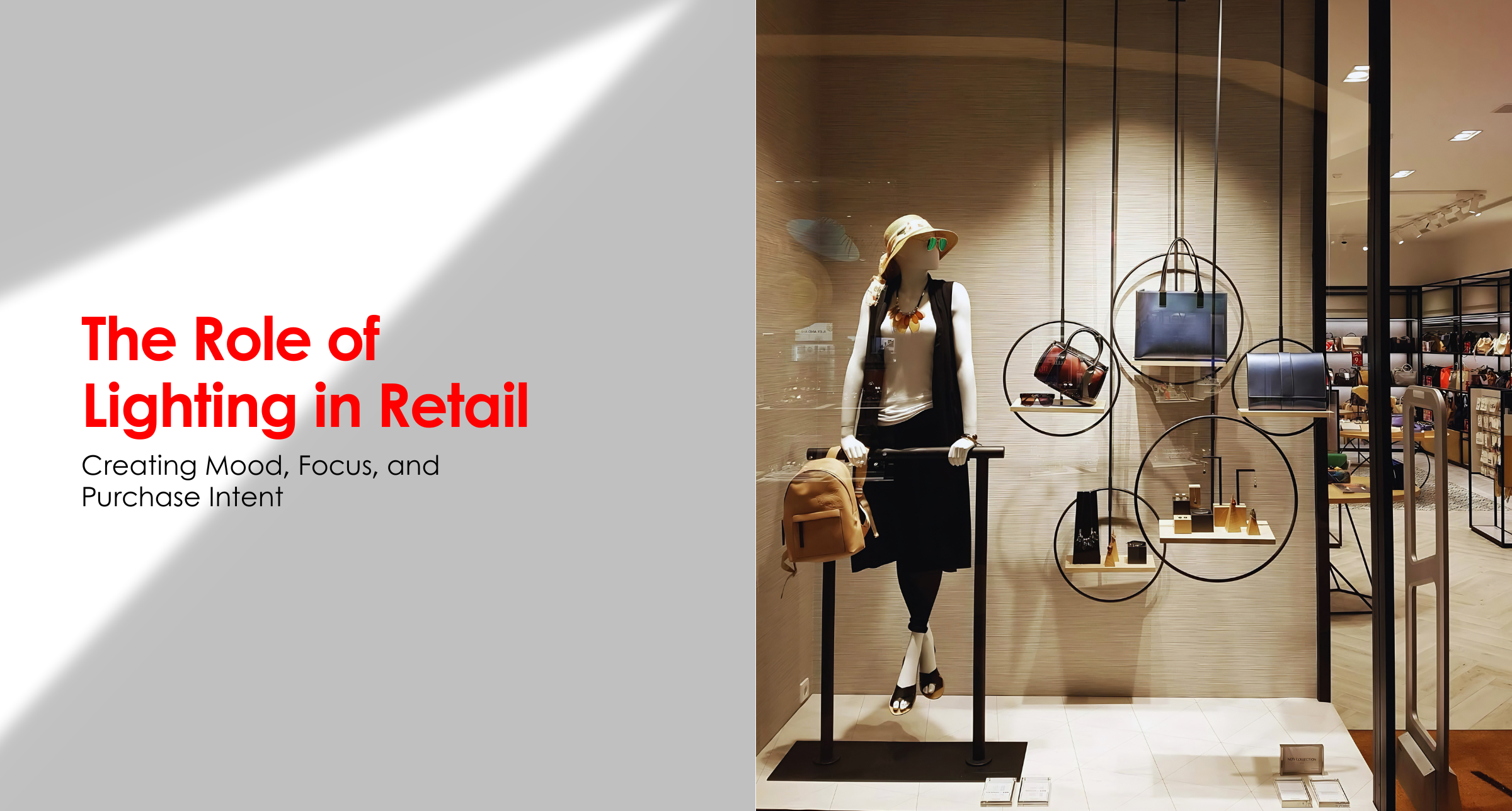
The Role of Lighting in Retail: Creating Mood, Focus, and Purchase Intent
Step into two different stores selling similar products, and you may notice something surprising—the atmosphere feels completely different. One feels cold and uncomfortable, while the other feels warm, inviting, and memorable.
The difference is often lighting.
Retail lighting is much more than simple visibility. It shapes customer perception, highlights products, influences mood, and quietly guides purchasing decisions.
Lighting acts as a silent salesperson—directing attention, creating emotion, and helping transform casual browsing into real buying behavior.
Why Lighting Matters in Retail
Customers do not just evaluate products when they enter a store. They also respond emotionally to the environment around them.
Lighting affects:
- How products appear
- The overall atmosphere
- How long shoppers stay
- Customer comfort and mood
- Purchase decisions
Poor lighting can make products look dull, create discomfort, and reduce engagement. Well-designed lighting creates warmth, focus, and a more enjoyable shopping experience.
The Three Core Functions of Retail Lighting
Retail lighting serves three primary purposes:
- Helping customers clearly see products and details
- Creating a specific emotional atmosphere
- Directing customer attention throughout the store
When these elements work together, the retail environment becomes more immersive and effective.
Pillar 1: Ambient Lighting – Setting the Overall Mood
Ambient lighting forms the foundation of the store environment.
It establishes the general brightness and emotional tone of the space.
Different lighting temperatures create different effects:
- Warm lighting: Creates comfort, relaxation, and a premium feel
- Cool lighting: Creates energy, clarity, and sharpness
- Neutral lighting: Balances warmth and brightness
Fashion boutiques and lifestyle stores often use warmer tones, while supermarkets and electronics retailers prefer brighter, cooler lighting for visibility and precision.
Ambient lighting strongly influences how customers perceive the brand experience.
Pillar 2: Accent Lighting – Guiding Attention
Accent lighting is designed to highlight specific products or areas.
It helps direct customer focus toward:
- New arrivals
- Featured products
- Promotional displays
- Window displays
- Hero products
Common accent lighting tools include:
- Spotlights
- Track lighting
- LED strip lighting
Well-lit products naturally attract more attention and often appear more valuable to shoppers.
Pillar 3: Task Lighting – Supporting Customer Interaction
Task lighting focuses on areas where customers need additional visibility.
This includes:
- Fitting rooms
- Checkout counters
- Product testing zones
- Demonstration areas
Good task lighting improves customer confidence and helps shoppers evaluate products comfortably.
For example, flattering fitting room lighting can significantly influence purchase decisions in fashion retail.
Pillar 4: Decorative Lighting – Building Brand Personality
Decorative lighting adds character and identity to the retail environment.
Examples include:
- Statement chandeliers
- Neon signage
- Designer pendant lighting
- Artistic light installations
Decorative lighting often becomes part of the store’s visual identity and creates memorable customer experiences.
It can also encourage social sharing and increase brand visibility online.
How Lighting Influences Customer Behavior
Lighting directly affects how shoppers behave inside retail spaces.
Dwell Time
Soft and comfortable lighting encourages customers to stay longer.
Perceived Value
Products displayed under premium lighting often appear higher in quality and value.
Navigation
Lighting helps guide movement through the store by highlighting pathways and key zones.
Emotional Response
Different lighting styles influence customer mood, energy, and comfort levels.
Retail Lighting Techniques That Improve Sales
1. Layered Lighting
Combining ambient, accent, task, and decorative lighting creates balance and depth.
2. Contrast and Shadow
Strategic use of brightness and shadow adds drama and highlights important displays.
3. Color Temperature Control
Adjusting warmth or coolness helps match lighting to products and desired emotions.
4. Dynamic Lighting
Lighting that changes for campaigns, seasons, or time of day keeps the store environment fresh.
5. Highlighting Key Products
Brighter lighting on hero products naturally draws customer attention and boosts visibility.
Common Retail Lighting Mistakes
1. Overly Harsh Lighting
Excessive brightness can create discomfort and shorten shopping time.
2. Poor Product Visibility
Weak lighting makes products appear flat and less appealing.
3. Inconsistent Lighting Styles
Uneven lighting can disrupt the shopping experience and confuse customers.
4. Ignoring Energy Efficiency
Outdated lighting systems increase costs and environmental impact.
Modern LED and smart lighting systems offer better efficiency and flexibility.
The Future of Retail Lighting
Retail lighting continues evolving with technology and customer expectations.
Future trends include:
- AI-powered adaptive lighting
- Smart lighting systems connected to customer behavior
- Interactive lighting experiences
- Energy-efficient LED innovations
- Personalized lighting environments
Lighting is becoming increasingly dynamic, responsive, and integrated into overall retail strategy.
Final Thoughts
Lighting is one of the most powerful tools in visual merchandising.
It shapes atmosphere, highlights products, influences emotions, and quietly guides customer decisions.
When used strategically, lighting transforms ordinary retail spaces into memorable experiences that customers genuinely enjoy.
Customers may not always notice the lighting directly—but they always feel its impact.
FAQs
Why is lighting important in retail?
Lighting influences visibility, mood, product perception, customer comfort, and purchasing decisions.
What are the main types of retail lighting?
The main types are ambient lighting, accent lighting, task lighting, and decorative lighting.
Can lighting increase retail sales?
Yes. Strategic lighting improves product visibility, enhances atmosphere, and encourages customer engagement and purchases.
What is the best retail lighting strategy?
A layered lighting approach that combines multiple lighting types creates the most balanced and effective retail environment.
Can small stores benefit from better lighting?
Absolutely. Even simple lighting improvements can significantly enhance customer experience and product presentation.
Leave a comment: