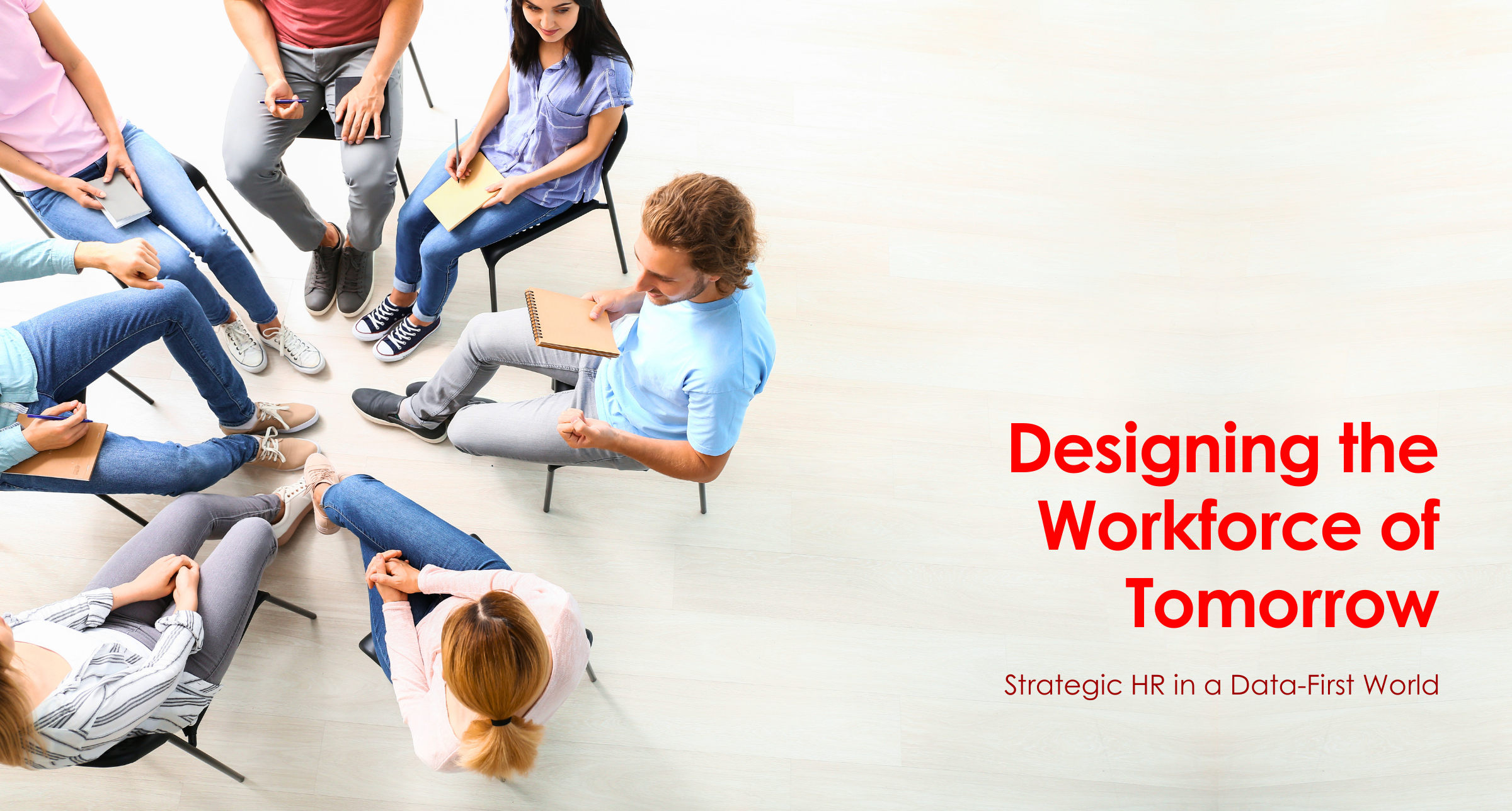
Designing the Workforce of Tomorrow: Strategic HR in a Data-First World
Workplaces aren’t just changing—they’re transforming at incredible speed. Roles evolve, skills expire quickly, and employees expect more than just a paycheck. In this environment, reactive HR practices simply aren’t enough. Filling gaps after they appear or scrambling when someone leaves belongs to yesterday’s playbook.
Today’s organizations operate in a data-first world. Strategic HR is no longer just about solving today’s people challenges. It’s about designing the workforce the organization will need next year—or even five years from now.
Importantly, this shift isn’t about turning employees into numbers. Instead, it’s about using data to make HR decisions smarter, fairer, and ultimately more human. Strategic HR is about anticipating change instead of reacting to it.
Why HR Needs to Design the Workforce—Not Just Manage It
Traditional HR operated in relatively stable environments where job roles and career paths stayed predictable. Today, the workplace looks very different.
Organizations now face challenges such as:
- Rapid digital transformation
- Increasing competition for talent
- The rise of remote and hybrid work
- Multi-generational workforces with diverse expectations
- Employees seeking purpose, flexibility, and development
Managing existing employees is no longer enough. HR must intentionally design workforce structures, develop future skills, and create experiences that align with long-term business goals.
What Strategic HR Means in a Data-First World
Strategic HR combines people data, business insight, and employee experience design to guide long-term talent decisions.
Modern HR leaders focus on questions like:
- What skills will be critical in the coming years?
- Which roles will evolve or disappear?
- Should the organization build, buy, or borrow talent?
- How can work be designed to support both performance and well-being?
- How can leaders be prepared for future challenges?
With the help of data, HR becomes more than an administrative function—it becomes a strategic driver of organizational growth.
Pillar 1: Data-Driven Workforce Planning
Workforce planning today is no longer a yearly exercise. It is an ongoing, data-driven process that helps organizations stay prepared for change.
Modern workforce planning involves:
- Mapping current and future skill requirements
- Tracking employee mobility and turnover trends
- Running scenario planning for different business outcomes
- Analyzing productivity and performance data
Research from McKinsey shows organizations using advanced analytics adapt more effectively to market disruptions and workforce changes.
Instead of reacting to talent shortages, HR teams can build talent pipelines before gaps appear.
Pillar 2: Skills Over Job Titles
The workforce of the future will be defined more by skills than by traditional job titles.
While job titles change frequently, skills remain transferable and adaptable. Strategic HR shifts focus from organizational charts to capability development.
This involves:
- Creating company-wide skill inventories
- Identifying emerging skill needs
- Investing in reskilling and upskilling programs
- Encouraging internal mobility and cross-functional work
A skills-based workforce helps organizations uncover hidden talent and reduce reliance on external hiring.
Pillar 3: Designing a Human Employee Experience
While data provides insight, employee experience design ensures that work remains human and engaging.
Strategic HR uses design thinking to improve every stage of the employee journey—from onboarding to development and retention.
Key focus areas include:
- Structured and welcoming onboarding experiences
- Personalized learning and development pathways
- Continuous feedback rather than annual reviews
- Flexible work models that support modern lifestyles
Organizations that prioritize employee experience often see stronger engagement, improved retention, and higher levels of trust.
Pillar 4: Intentional Leadership Development
Leadership gaps can slow down business growth. Strategic HR ensures organizations always have future leaders ready to step forward.
By analyzing performance data, development progress, and behavioral insights, HR can:
- Identify high-potential employees early
- Track leadership readiness
- Reduce bias in succession planning
- Develop diverse leadership pipelines
Leadership development becomes a continuous, intentional process rather than an occasional training initiative.
Pillar 5: Technology as an Enabler
AI, automation, and HR analytics platforms play an important role in enabling strategic HR—but technology alone is not the solution.
The most effective HR teams use technology to:
- Automate administrative tasks
- Provide accurate workforce insights
- Improve decision consistency
- Create more time for coaching, culture building, and strategic planning
The true value of HR technology lies not in dashboards, but in enabling better conversations and smarter decisions.
Creating a Culture of Trust and Agility
When HR intentionally designs the workforce, the impact extends beyond productivity. Employees gain trust in decision-making processes, fairness improves, and organizations become more adaptable.
This culture of transparency and agility defines the workforce of tomorrow—and it starts with strategic HR today.
FAQs
What does data-first HR mean?
Data-first HR means using analytics and workforce insights to guide decisions while maintaining a human-centered approach to employee management.
Is strategic workforce planning only for large companies?
No. Even small organizations benefit from workforce planning because it helps identify skill needs, plan growth, and align talent with business goals.
Does data-driven HR make work less personal?
When used correctly, data improves fairness and transparency. It helps HR understand employee needs and make more balanced decisions.
How does a skills-based workforce help retention?
Employees are more likely to stay when they see opportunities to develop new skills and grow within the organization.
Where should companies begin with strategic HR?
Organizations should start by aligning HR priorities with business strategy and then use workforce data to guide talent decisions.
Leave a comment: