Omnichannel Visual Merchandising: Creating a Seamless Brand Experience Online and Offline - GDMR Foundation
Visual MerchandisingOmnichannel Visual Merchandising: Creating a Seamless Brand Experience Online and Offline

Omnichannel Visual Merchandising: Creating a Seamless Brand Experience Online and Offline

Imagine discovering a product on Instagram, exploring it later on a website, and finally walking into a physical store to experience it in person. The colors match, the atmosphere feels familiar, and the brand story remains consistent throughout.

That seamless transition is the power of omnichannel visual merchandising.

Modern customers no longer think in terms of “online” or “offline.” They move naturally between social media, websites, mobile apps, and physical stores—and they expect every interaction to feel connected.

Omnichannel visual merchandising ensures that no matter where customers encounter your brand, they experience one clear and consistent story.

Why Consistency Matters More Than Ever

Today’s shoppers expect frictionless experiences across every touchpoint.

Even small inconsistencies can weaken trust and disrupt the customer journey.

Common issues include:

  • Product colors appearing different online and in-store
  • Promotions that don’t match across platforms
  • Social media branding that feels disconnected from the physical store experience

When branding feels inconsistent, customers become uncertain—and uncertainty often leads to lost sales.

Consistent visual merchandising helps build:

  • Trust
  • Brand recognition
  • Customer loyalty
  • Smoother purchasing experiences

Multichannel vs. Omnichannel: Understanding the Difference

Many businesses operate across multiple channels, but not all create a connected experience.

Multichannel Retail

In multichannel retail, platforms exist separately. A business may have a website, physical store, and social media presence, but each functions independently.

Omnichannel Retail

Omnichannel retail integrates every platform into one seamless customer journey.

This creates:

  • Unified branding
  • Consistent messaging
  • Smooth transitions between channels
  • Connected customer experiences

Pillar 1: Maintain Visual Consistency Everywhere

Strong omnichannel merchandising begins with visual consistency.

Every customer touchpoint should align in terms of:

  • Brand colors
  • Typography
  • Photography style
  • Visual mood and tone
  • Display aesthetics

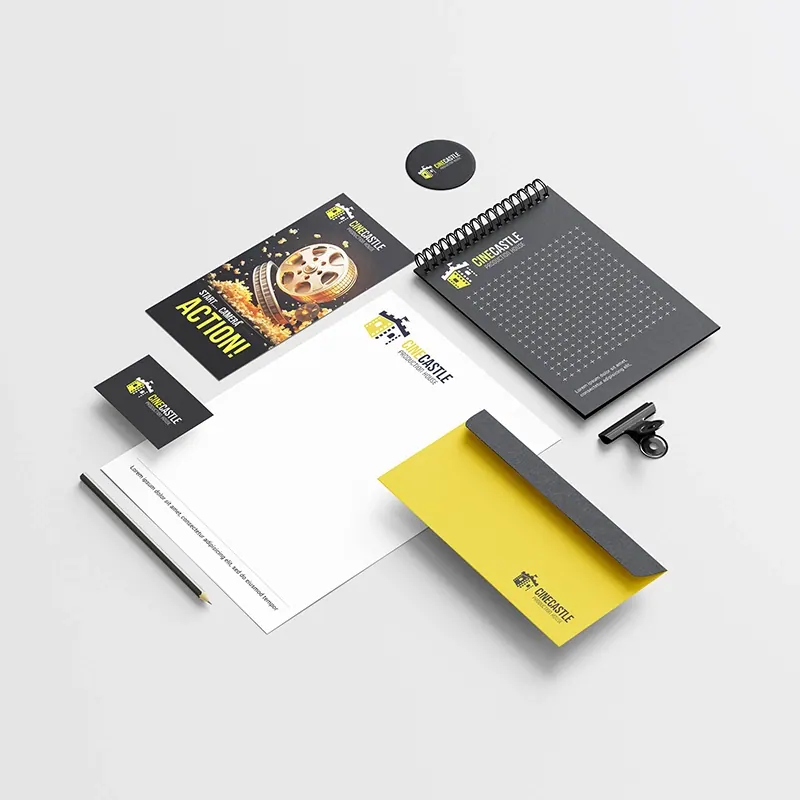
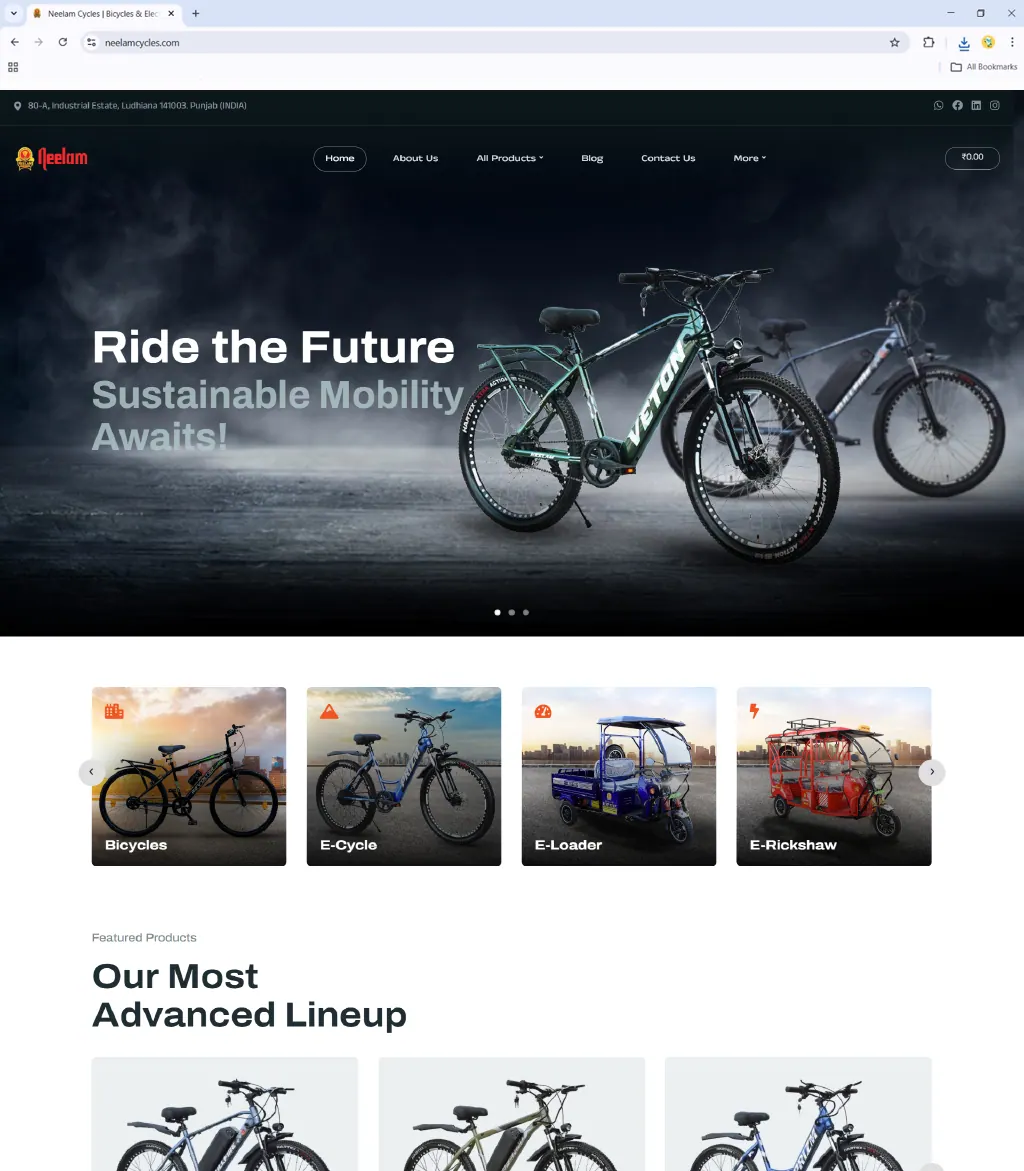
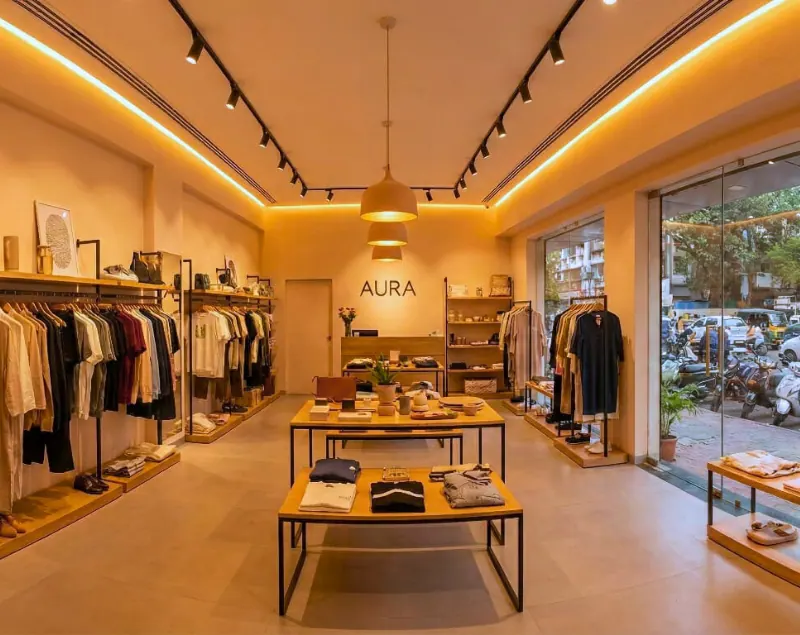
Whether someone interacts with your brand through Instagram, email marketing, your website, or a physical storefront, the experience should feel familiar and recognizable.

Pillar 2: Create Storytelling That Travels Across Channels

Effective retail storytelling should move naturally from one platform to another.

For example:

  • Social media creates awareness and excitement
  • The website provides detailed information and inspiration
  • The physical store delivers immersive experiences

Each platform supports the same narrative while adding its own layer to the customer journey.

This continuity strengthens emotional connection and guides customers smoothly toward purchase decisions.

Pillar 3: Blend Digital and Physical Experiences

Omnichannel merchandising works best when online and offline experiences support one another.

Examples include:

  • Click-and-collect shopping experiences
  • QR codes linking in-store shoppers to online content
  • Digital screens reflecting online campaigns
  • Retail apps that enhance in-store experiences
  • Personalized notifications tied to customer preferences

Blending physical and digital touchpoints creates convenience while reinforcing brand consistency.

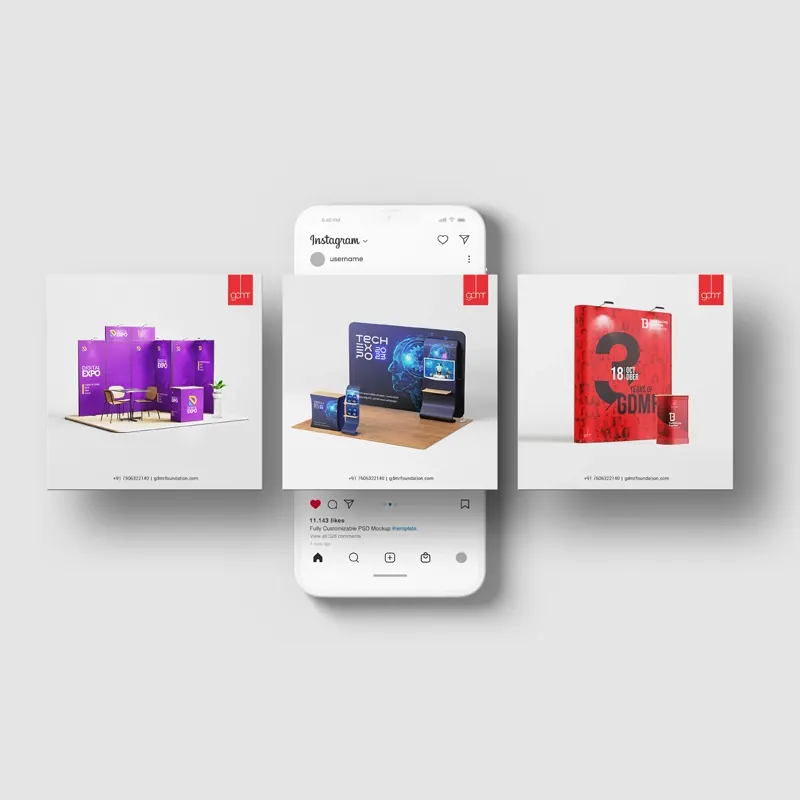
Pillar 4: Treat Social Media as an Extension of the Store

Social media platforms now function as digital storefronts.

Platforms like Instagram, Pinterest, and TikTok influence discovery, inspiration, and purchasing decisions.

Strong omnichannel brands ensure:

  • Visual consistency between social media and stores
  • Products are styled similarly across platforms
  • In-store experiences appear naturally on social content
  • Influencer collaborations align with brand identity

Social media often begins the customer journey before shoppers ever enter a store.

Pillar 5: Use Data to Optimize Experiences

Successful omnichannel merchandising combines creativity with analytics.

Brands use data to understand:

  • Customer behavior across platforms
  • Which visuals perform best
  • How customers move between channels
  • What drives engagement and conversion
  • How to personalize experiences

Data-driven insights help brands improve visual consistency and make smarter merchandising decisions.

How the Omnichannel Customer Journey Works

A typical omnichannel customer journey may include:

  • Discovering products on social media
  • Researching through websites or reviews
  • Visiting physical stores for hands-on experiences
  • Completing purchases online or in-store
  • Sharing experiences through digital platforms

At every stage, visual consistency helps maintain trust and keeps customers engaged.

Common Omnichannel Merchandising Challenges

1. Inconsistent Branding

Different teams or platforms may create disconnected customer experiences.

2. Lack of System Integration

Disconnected systems make it difficult to synchronize campaigns and customer data.

3. Poor Coordination Between Channels

Physical stores and digital campaigns should launch together to maintain consistency.

4. Overcomplicated Customer Journeys

Too many steps or conflicting visuals can confuse customers and reduce engagement.

The Future of Omnichannel Visual Merchandising

Omnichannel experiences will continue evolving with technology and customer expectations.

Future trends include:

  • AI-driven personalization
  • Augmented reality shopping experiences
  • Real-time inventory visibility
  • Smart in-store recommendations
  • More immersive digital-physical integration

As technology advances, the distinction between online and offline retail will continue to disappear.

Final Thoughts

Customers do not see separate channels—they see one brand.

Omnichannel visual merchandising ensures every touchpoint feels connected, recognizable, and meaningful.

When brands maintain consistency across digital and physical experiences, customers trust them more, engage more deeply, and remain loyal longer.

In today’s retail world, creating a seamless omnichannel experience is no longer optional—it is essential.

FAQs

What is omnichannel visual merchandising?

It is the process of creating a seamless visual brand experience across physical stores, websites, social media, and digital platforms.

How is omnichannel different from multichannel?

Multichannel uses separate platforms independently, while omnichannel connects all platforms into one unified customer experience.

Why is visual consistency important?

Consistent visuals build trust, improve recognition, and create smoother shopping experiences for customers.

Can small retailers implement omnichannel merchandising?

Yes. Small businesses can start by aligning visuals, messaging, and branding across social media, websites, and physical stores.

How does data support omnichannel merchandising?

Data helps brands understand customer behavior, optimize displays, personalize experiences, and improve engagement across channels.

Thank you for being the heartbeat of the brands people love, and remember, we love you, too.

With gratitude and admiration,

GDMR Team

Leave a comment:

Your email address will not be published. Required fields are marked *

Top
oh hello you
Award-Winning
Start Up!.
Delivering high-quality projects for international and National clients. Ask us about digital, branding, storytelling and HR needs.

GENERAL INQUIRIES
info@gmdrfoundation.com

SOCIAL MEDIA

Reach Us